

Table of Contents
- Core SEO Features a Website Builder Must Have
- WordPress + Elementor: The Technical SEO Giant
- Google Blogger: The Best Free High-Indexing Framework
- Wix: The Infrastructure and AI Comeback
- Shopify: Best for E-Commerce Organic Rankings
- Head-to-Head Technical SEO Comparison Table
- Final Verdict: Which Builder Should You Choose?
Many digital entrepreneurs fall into the trap of choosing drag-and-drop systems based purely on visual convenience. However, hidden beneath slick marketing templates often lie bloated source codes and rigid frameworks that severely hinder performance on Google. Whether you are building an affiliate hub, a lead generation system, or a technical portfolio, this comprehensive guide breaks down the premier platforms through a strict technical lens.
Core SEO Features a Website Builder Must Have
Before allocating capital to domains or premium layouts, you must understand the non-negotiable architectural layers that a truly optimized platform must support:
- Comprehensive Custom Permalink Architecture: A structured, keyword-optimized URL layout provides search engine crawlers with an immediate contextual roadmap of your content.
- Dynamic Server-Side Rendering (SSR): Bloated source code is the silent killer of organic rankings. An advanced system optimizes asset loading and delivers fast Time to First Byte (TTFB).
- Robots.txt and XML Sitemap Autonomy: To guide search engine spiders efficiently through your high-yield landing pages, you require granular access to your indexing configuration.
The Top Contenders: Best Website Builders 2026
1. WordPress + Elementor: The Technical SEO Giant
When it comes to uncompromised backend autonomy and raw indexing power, the self-hosted WordPress environment combined with professional visual development frameworks like Elementor remains an undisputed titan. For serious webmasters aiming to dominate high-intent business terms, this combination offers unparalleled technical deployment capabilities.

WordPress functions as an open-source structural skeleton, allowing developers to configure server-side parameters precisely. When paired with Elementor, it translates complex layout grids into highly responsive semantic HTML5 elements. By integrating extensions such as Rank Math or Yoast, webmasters gain complete control over advanced schema markups, ensuring rich snippets populate correctly on Google searches.
2. Google Blogger: The Best Free High-Indexing Framework
For digital marketers looking to bypass the financial overhead of premium dedicated servers while retaining hard-coded structural control, Google’s native platform stands out. The landscape remains highly lucrative for publishers who prioritize lightning-fast crawling speeds over complex design layouts, easily making it one of the best free website builders 2026 has to offer.

Blogger operates directly on Google’s specialized cloud infrastructure. This integration grants it an inherent advantage that money cannot buy: instant server-side trust. Because the layout files are parsed through a lightweight, XML-based custom templating engine, new posts often bypass long indexing queues.
This makes it an exceptional choice for publishers executing rapid monetization strategies. For instance, if you are looking to generate passive income from your traffic, integrating ad networks like Monetag into a clean Blogger template allows you to maximize your ad earnings without slowing down your site framework or paying heavy monthly hosting fees.
3. Wix: The Infrastructure and AI Comeback
Historically dismissed by seasoned technical webmasters due to past issues with heavy code scripts, Wix has fundamentally reconstructed its core engine. By introducing advanced artificial intelligence into its design and backend framework, it has secured its position among the top ai website builders 2026.

- Wix now features an infrastructure built heavily on global edge computing frameworks. When a user queries a Wix-hosted site, the core components are pre-rendered server-side at the closest local node, ensuring rapid delivery. Its automated URL redirection mapping ensures that if you modify a post path, Wix automatically applies a permanent 301 redirect, preserving your internal link equity smoothly.
4. Shopify: Best for E-Commerce Organic Rankings
If your primary business goal involves selling physical or digital products, Shopify is a powerful structural environment that natively respects search engine guidelines while leveraging automated machine learning setups. It ranks high among the best ai website builders 2026 for commercial intent.
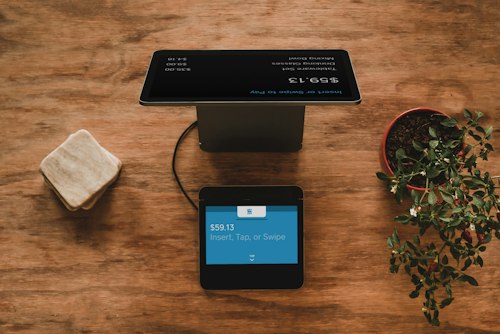
Shopify handles the heavy lifting of e-commerce architecture automatically. It generates clean, semantic canonical tags to prevent duplicate content issues—a common issue in online stores—and enforces secure HTTPS handshakes across all endpoints. With its updated rendering engine, product pages load significantly faster, drastically reducing cart abandonment while pleasing Google's Core Web Vitals metrics.
Head-to-Head Technical SEO Comparison Table
To help you make an analytical decision for your next campaign on Online Biz Hub, this table outlines the direct technical capabilities of each platform:
| Technical Feature / Metric | WordPress + Elementor | Google Blogger | Wix Engine 2026 | Shopify Architecture |
|---|---|---|---|---|
| Server-Side Rendering (SSR) | Full Control (Host Dependent) | Absolute Cloud Native | Automated via Edge Nodes | Managed Proprietary Server |
| Indexing Speed Velocity | Variable (Requires Opt-in) | Instantaneous / Extreme | Fast / Consistent | Reliable / Standard |
| Primary Ideal Use-Case | Advanced Custom Blogs | High-Yield Ad Layouts | Turnkey Business Sites | Full E-commerce Stores |
| Hosting Overhead Costs | Monthly Dedicated Fees | $0 Absolute Free | Subscription Tier Model | Subscription Tier Model |
Final Verdict: Which Builder Should You Choose?
Selecting the ultimate platform depends entirely on your project's scaling goals, technical expertise, and monetization models:
- Choose WordPress + Elementor if you are building an authoritative, long-term brand asset that demands complete control over custom schemas and deep technical tweaks.
- Choose Google Blogger if your immediate focus is high-speed indexing for ad network monetization layouts with zero monthly maintenance costs.
- Choose Wix if you want an all-in-one, low-maintenance platform that automatically handles technical aspects like mobile responsiveness and image conversions via smart AI systems.
- Choose Shopify if your scaling strategy is purely transactional and you require automated technical SEO tailored for e-commerce performance.
